Teachers are listed alphabetically by first name,
with monks and nuns given priority. You may also enter any part of
a name in the text box and click "Find Teacher by Name."
As a monk, I bring a strong commitment, along with the renunciate flavor, to the classic Buddhist teachings. I play with ideas, with humor and a current way of expressing the teachings, but I don't dilute them.
Sitting in a field of fifty to eighty people really starts my mind sparking. Since I don't prepare my talks ahead of time, I find myself listening to what I'm saying along with everyone else. This leaves a lot of room for the Dhamma to come up. Just having eighty people listening to me is enough to engage me, stimulate me, and create a nice flow of energy. The actual process of teaching evokes ideas that even I did not realize were being held somewhere in my mind.
Different teaching situations offer their own unique value. In retreat, you are able to build a cohesive and comprehensive body of the teachings. When people are not on retreat and come for one session, it opens a different window. They are more spontaneous and I'm given the chance to contact them in ways that are closer to their "daily-life mind." This brings up surprises and interesting opportunities for me to learn even more.
I'm continually struck by how important it is to establish a foundation of morality, commitment, and a sense of personal values for the Vipassana teachings to rest upon. Personal values have to be more than ideas. They have to actually work for us, to be genuinely felt in our lives. We can't bluff our way into insight. The investigative path is an intimate experience that empowers our individuality in a way that is not egocentric. Vipassana encourages transpersonal individuality rather than ego enhancement. It allow for a spacious authenticity to replace a defended personality.
I normally incorporate Qi Gong instruction in my retreats. They are not suitable as audio files but you can watch the nine videos here: https://tinyurl.com/Sucitto-qigong
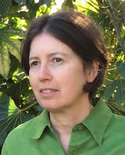
Willa Thaniya Reid (formerly Ajahn Thaniya, top photos), has been practising formal Buddhist meditation since the 80s. Her primary training has been through the Thai Forest Tradition of Luang Por Chah. The Forest Tradition is in harmony with her affinity for the natural world and for reflective teachings. For 18 years she was part of the monastic community of this tradition based in England. As the senior nun of Cittaviveka for eight years, she offered support to the lay and monastic community; teaching retreats in the UK, USA, Europe and Australia. She brings to her teaching a love for the original suttas of the Buddha. For the previous six years she served the community in Melbourne, offering spiritual support to the dying and their families. She has a Masters degree in relationship counselling, and clinical pastoral training. In 2015 she returned to New Zealand to develop a meditation community with her partner.